Frizz is nobody's fault; it's just the physics of the hair. When the cuticle is raised, water rushes in and swells each individual hair strand out of shape, resulting in frizzy hair. Experts from GK Hair explain in this guide the main reasons that cause frizz and suggest some proven expert solutions. The goal is simple: less frizz, more smoothness and a lifestyle-friendly haircare routine.
What Causes Frizzy Hair?
The cuticle acts as an armour for the hair. It will look shiny and smooth when the cuticle is flattened and reflects light. When the cuticle is lifted, moisture enters the hair, making it swell and eventually, makes the hair surface rough. This is what causes the appearance of frizzy hair.
Humidity and Frizz
When it is humid, the air is full of water vapour. This will then make each hair strand float and absorb it. Strands become shapeless and even straight hair gets puffy. This explains why a hairstyle can look perfect at home but falls apart when you get outside. Research suggests that in high humidity, hair diameter can increase by up to 8% as it absorbs water.
Lack of Moisture
Dry hair is like a sponge that has been left in the sun. It is constantly craving water, so it tries to get hold of moisture from the air at the earliest opportunity. The result is a surface that looks dull and feels coarse, especially if the hair needs a proper hair treatment for dry and frizzy hair.
Overwashing and Harsh Products
Hair is stripped of its natural oils when shampooing is done too frequently or when harsh, sulphate-heavy products are used. These oils are responsible for maintaining the smoothness of a cuticle. Once these oils are completely removed, the hair will not only tighten up and have a dull appearance but will also be more prone to frizz.
Heat Damage
Using hot tools is a double-edged sword. While they are very handy in getting you a great hairstyle quickly, at the same time, they do reduce the quality of your hair. Using these tools may roughen the cuticle and deprive the hair of moisture which will make the strands react to humidity more. Over time, that damage shows up as constant frizz, split ends and breakage.
Hair Porosity
Some hair takes in moisture quickly, but it also loses the moisture just as fast. This type of hair is known as a high porosity hair. It is typically dry, gets tangled very easily and frizzes mainly because it cannot hold on to what it absorbs. Once you figure out what porosity you have, it will be easier to find a frizzy hair treatment that fits your hair the best.
Frizz by Hair Type
Not all frizz looks or behaves the same. Your hair type changes what you should focus on.
-
Fine hair: Frizz usually results in flyaways and fuzzy crown. Since heavy products tend to weigh fine strands down, lightweight serums and sprays work the best.
-
Medium to thick hair: Puffiness and loss of definition are the main signs of frizz. Richer creams with the regular deep conditioning will have a bigger impact.
-
Wavy or curly hair: Frizz nearly always signifies that the curl pattern has become disrupted. Drying hair on low heat setting of your blow-dryer, minimal brushing and curl friendly leave-ins will help keep definition without adding bulk.
Knowing your hair type will allow you to pick the right products and routines that will not be in conflict with your texture but rather support it.
Common Mistakes That Make Frizz Worse
Sometimes what you are using is not the problem, but what you are doing. These habits gradually and silently make frizz worse:
-
Washing with very hot water, which removes natural oils and makes the cuticle rougher.
-
Rubbing wet hair with a tough towel, generating friction that lifts the cuticle.
-
Brushing hair that is completely dry, which breaks up your hairstyle and generates static.
-
Using high heat without a protectant, slowly damaging the cuticle and causing more dryness.
-
Putting too much heavy DIY oils or masks on the hair, making it greasy at the roots while frizzy at the ends.
Making tiny modifications in these areas can be more effective than simply introducing another product.
1. Hydrating Shampoos and Conditioners
Your washing routine lays down the groundwork for your entire styling process. If your shampoo is overly harsh and your conditioner is insufficient, the other products you use will just be trying to repair the damage.
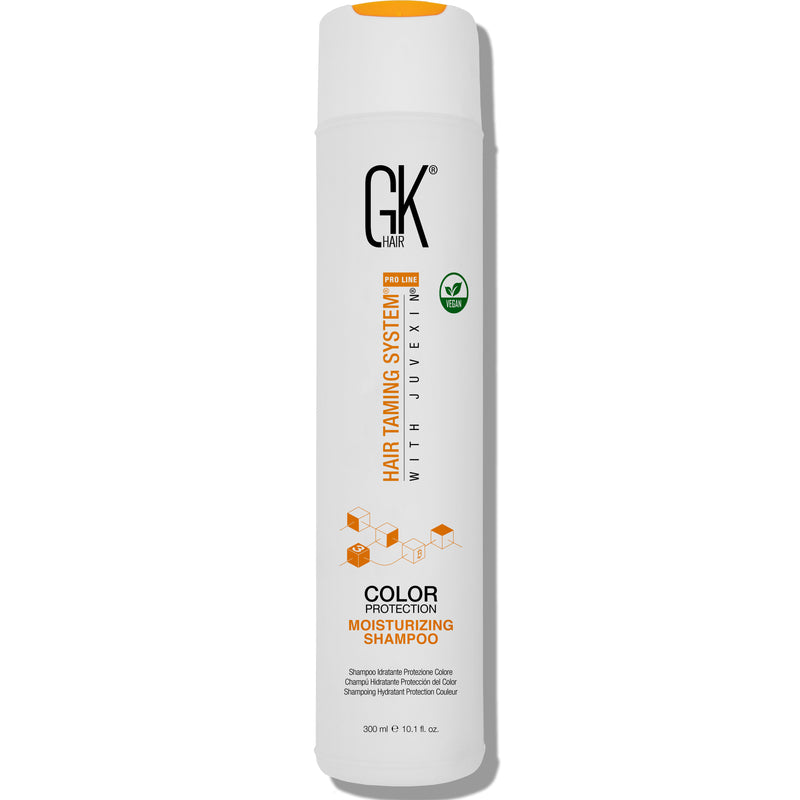
GK Hair Pick: Moisturizing Shampoo and Conditioner

Best for: Hair that is dry, rough, dull or difficult to manage on a regular basis.
Why It Works: These two will cleanse your hair without drying it out and will put moisture back into the hair strands. When the cuticle is kept calm, the hair not only looks smoother but it also behaves better during the styling process.
How to Use: Work Moisturizing Shampoo into wet hair, focusing on the scalp. Rinse, then apply Moisturizing Conditioner from mid-lengths to ends. Leave it for a minute or two before rinsing. Use them together every wash.
2. Deep Conditioning Treatments
A conditioner can do a lot, but a deep conditioner is your go-to when your hair is feeling brittle. The main difference is that it is packed with more good nutrients for the hair and it also stays on the hair long enough for it to absorb them.
GK Hair Pick: Deep Conditioner
Best for: Those with dry, damaged or very porous hair that is in need of a weekly frizzy hair treatment.
Why It Works: Deep Conditioner introduces hair with more moisture and makes them softer, smoother and manageable. It is the difference between hair that looks frizzy all day and hair that looks well taken care of.
How to Use: After shampooing, apply Deep Conditioner to damp hair, concentrating on the mid-lengths and ends. Leave it on for three to five minutes, then rinse well. Once a week is enough for most people.
3. Protective Styling
Frizz is not just products related. It is also about the way you handle your hair. Over brushing, extremely tight hair elastics and rough hair ties are the main causes of friction. Friction results in cuticle being lifted. More frizz equals lifted cuticle.
GK Hair Pick: Leave-In Cream or Leave-In Spray
Best for: Leave-In Cream suits thicker, curlier or drier hair that craves moisture and control. Leave-In Spray is better for fine to medium hair that wants hydration without weight.
Why It Works: A leave-in coats the hair lightly, so strands glide past each other instead of snagging. That means less breakage, less static and a smoother finish whether you air dry or blow dry.
How to Use: Work a little Leave-In Cream or Spray through towel-dried hair. Spread the product evenly through hair with a comb. Finish styling as usual or allow hair to dry naturally.
4. Anti-Frizz Hair Products
If you decide to get only one finishing item, let it be a serum. This is your barrier against humidity and your fastest way to a neat appearance.
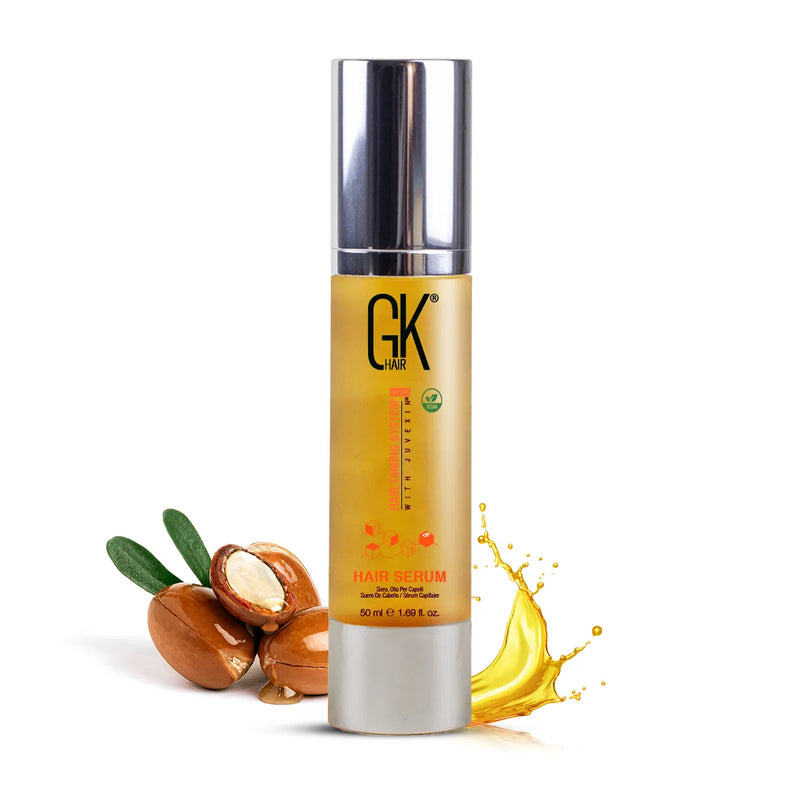
GK Hair Pick: Argan Oil Serum
Best for: Hair that becomes puffy, dull, or flyaway during the day. It is also an excellent hair serum for frizzy hair when aiming for softness and shine without a heavy touch.
Why It Works: Argan Oil Serum makes the hair’s outer surface smoother so it can reflect light better and appear sleek. It also holds the effects of your washing and treatment steps, which is what people typically expect from anti frizz hair products.
How to Use: Rub a few drops into your palms and then apply over damp or dry hair, concentrating on the middle parts and ends. Use a tiny bit at first and only add more if necessary. Don’t apply to the roots to keep the results light.
5. Natural Alternatives
Coconut oil, avocado and aloe vera can moisturize dry hair temporarily. The drawback is that sometimes they might not be suitable for long-term frizz control. Using too much of them can make the hair heavy or greasy.

Quick Reference: Frizz Triggers vs. Fixes
Stylist's Corner
The best time to apply the serum is when the hair is still slightly damp rather than dripping wet or completely dry. That timing helps the product spread evenly and gives the cuticle a smoother finish once the hair dries.
When to See a Professional
Frizz on its own is just a hair texture or hair care issue and doesn't indicate hair health. But if your hair suddenly feels drier, gets brittle and breaks easily or if you notice major changes in hair texture, scalp irritation or hair loss in patches, visit a hairstylist or a dermatologist. They can rule out any internal damage and give you a targeted hair treatment for dry and frizzy hair as well as help you adjust your routine in the safest way.
Smooth Starts Here
Dry, overworked hair or hair that has been exposed to a lot of moisture without enough protection leads to frizzy hair. Creating a regimen centred on hydration, repair and everyday smoothing can result in a noticeable change in the appearance and texture of the hair. GK Hair products make that process easier because each step has a clear job, from cleansing and conditioning to treating and finishing. With the right mix of anti frizz hair products and consistent care, long-term frizzy hair solutions are possible.