Finding the best hair oil in Pakistan requires moving away from a one-size-fits-all approach. Between intense summer heat, monsoon humidity, and urban pollution, your scalp’s needs change throughout the year. Pairing targeted botanical oils with a consistent routine helps protect your hair roots, minimize shedding, and keep strands healthy.
Which Hair Oil Is Best in Pakistan?
GK Hair Argan Oil is one of the best hair oils in Pakistan, as it focuses on overall hair health. It’s also important to know your scalp and choose an oil that suits your specific hair needs.
The best hair oil in Pakistan is the one that matches your scalp and hair type: diluted rosemary oil for thinning around the parting, castor oil for fine strands that need more body, coconut oil for dryness and protein loss, and argan oil for a dry or irritated scalp.
The best oil for hair growth can also vary by season, choose lighter oils during humid summers and richer oils during dry winters.
Best Hair Oil for Your Concern
Pair nature’s plant extracts with your hair’s exact needs and build a balanced weekly routine. If you are wondering which oil is best for hair growth and thickness, start with the first row.
|
Hair Needs |
Oil Type |
Benefits |
|
Growth and thickness |
Rosemary oil diluted in castor oil or Argan oil |
Increases blood flow to scalp follicles while ricinoleic acid coats and thickens individual strands. |
|
Hair fall and shedding |
Onion oil or Amla oil or Argan oil |
Sulphur and antioxidants strengthen roots and reduce premature breakage, which is why the best hair oil for hair fall is usually onion or amla. |
|
Dry hair |
Coconut oil or almond oil or Argan oil |
Reaches deep inside the hair shaft to lock in moisture during dry winter weather. |
|
Oily scalp or low-porosity hair |
Jojoba oil or Argan oil |
Dissolves excess sebum without clogging follicles, which makes jojoba a reliable low porosity hair oil for hair growth. |
|
Coloured hair |
Argan oil |
Shields dyed strands from sun exposure and maintains softness without fading shade. |
10 Best hair oils for hair growth in Pakistan
Our list covers the 10 best hair oils, that do most of the work here, each for a different reason: some lift circulation at the root, some hold protein inside the shaft, and some simply seal the cuticle against dust. Which is the best hair growth oil in Pakistan for you depends on which of those jobs you need doing.
1. Argan oil for overall hair health
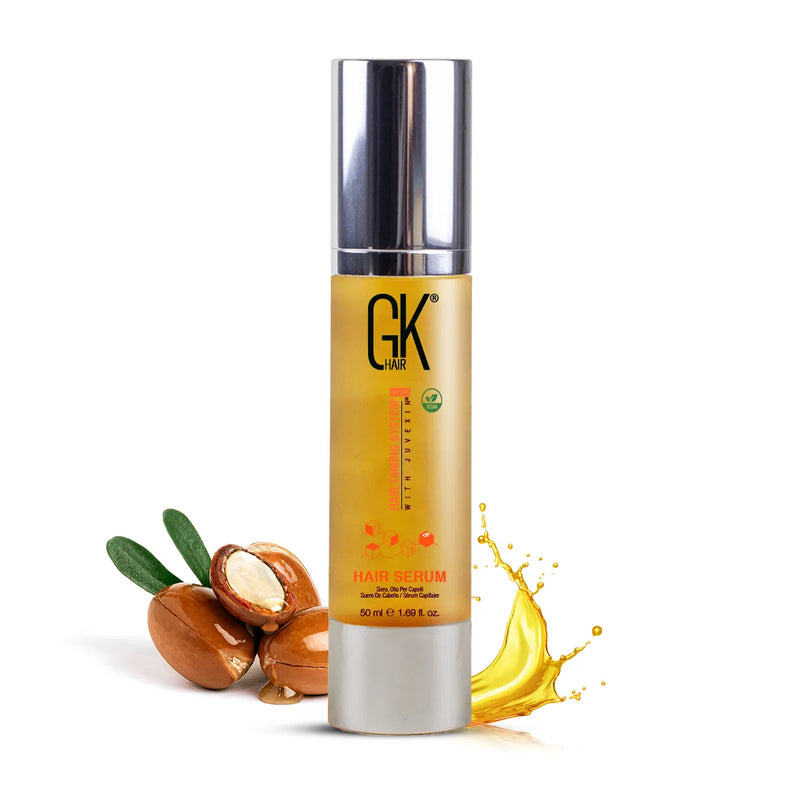
GK Hair Argan oil is one of the best hair oils in Pakistan, which is used for hair growth, delivers essential fatty acids and vitamin E to help calm dry and irritated scalps in humid conditions. GK Hair Argan Oil Serum smooths flyaways and softens the ends without leaving a greasy build-up. (Best for: all hair types who want lightweight frizz control, shine, and flyaway smoothing without adding extra weight).
2. Rosemary oil for hair growth
Rosemary oil improves blood flow at the scalp and may reactivate dormant follicles. In a 2015 SKINmed trial, rosemary oil matched 2% minoxidil in increasing hair count over six months, with significantly less scalp itching. Mix a few drops with a carrier oil before massaging into thinning areas.
3. Coconut oil for dryness and breakage
Coconut oil for hair growth works from inside the shaft: its lauric acid content and low molecular weight let it penetrate rather than sit on top. In a 2003 Journal of Cosmetic Science study, it was the only one of three oils tested (alongside mineral oil and sunflower oil) to noticeably reduce protein loss in both damaged and undamaged hair, which is what makes it a useful pre-wash treatment for dry or heat-damaged hair.
4. Castor oil for hair growth
Castor oil for hair growth is roughly 90% ricinoleic acid, which shows anti-inflammatory activity in the lab; whether it lifts scalp circulation in people has never been tested in a trial. What it clearly does is coat: its thickness cuts breakage when brittle hair is combed daily.
5. Amla oil for hair growth
Amla oil for hair growth is the old Pakistani standby: antioxidants and vitamin C from the gooseberry strengthen the roots and buffer hair against city pollution. The belief that it delays greying comes from Ayurvedic tradition rather than controlled trials, so treat it as ritual rather than proven effect.
6. Onion oil for hair growth
Onion oil for hair growth supplies sulphur, a building block of keratin, straight to weakened follicles, though the clinical evidence behind it is narrower than its popularity suggests.
A small 2002 trial found crude onion juice beat tap water for regrowth in patchy alopecia areata, an autoimmune condition, and the researchers suspected the mild irritation was itself part of the effect. There is no equivalent evidence for everyday shedding, and onion preparations often cause redness, so patch test behind the ear first.
7. Almond oil for hair growth
Almond oil supplies vitamin E and fatty acids which help to remedy coarse and brittle hair ends; its very light consistency restores shine and helps to soften hair that has become dry because of the sun or styling. When you apply a small amount to dry hair, it will help to retain the soft moisture.
8. Mustard oil for hair growth (Sarson)
Mustard oil is a traditional winter-warming treatment. Its dominant fatty acid is erucic acid at roughly 30 to 42%, with alpha-linolenic acid, the omega-3, closer to 6 to 10%; the warming sensation itself comes from allyl isothiocyanate, a natural irritant. A sarson massage suits cold, dry weather, but patch test first and keep it off broken or inflamed skin.
9. Olive oil for coarse hair and split ends
When used to promote hair growth, olive oil for hair growth works by coating thick or coarse strands with a protective layer that restores bounce and guards against split ends.
10. Jojoba oil for oily or low-porosity scalp
Jojoba oil is similar to the sebum that is naturally produced by your scalp since it helps to unclog pores and keep the oil levels in balance. Because of its quick absorption and light finish, this oil is the solution to nourish low porosity hair and promote growth, even during the intense heat of a Pakistani summer.
On non-oiling days, a spritz of our Leave-In Conditioner Spray (natural seed oils plus Juvexin V2, our plant-based protein blend) holds moisture through monsoon humidity without build-up. (Best for: low-porosity and fine hair).

What oiling can’t do
Oiling cannot overcome genetic hair loss, reverse hormonal thinning, or change how fast your hair grows. It also cannot stand in for internal nutrition or treat an underlying condition. See a dermatologist if you have been shedding more than usual for six weeks or more, if hair is coming away in round patches, if your scalp is painful, scaly or bleeding, or if your parting is visibly widening: telogen effluvium, low iron, thyroid problems and alopecia areata all need medical treatment, not oil.
How to apply hair oil the right way
For maximum benefit from your hair growth oil, dilute the strong extracts, massage your scalp to get the blood circulation going, allow the treatments to soak in, and then wash them out gently.
On the days when you don’t apply the oil, use a spritz of our Leave-In Conditioner Spray to protect your hair from humidity and city pollution, keeping it smooth and protected.
1. Diluting essential oils
When using concentrated extracts such as rosemary, properly dilute them before applying them to your scalp. To find out how to use rosemary oil for hair growth and to make a safe hair growth oil at home which won’t cause skin irritation, mix three to five drops of pure essential oil with one tablespoon of a carrier oil such as coconut or jojoba.
2. Massage and leave-in time
Warm the oil mixture gently and then massage it into your scalp using your fingertips for 5 minutes. Allow the treatment to remain in place for between 30 and 60 minutes so that the nutrients can be absorbed before rinsing it off with lukewarm water.
3. Washing it out
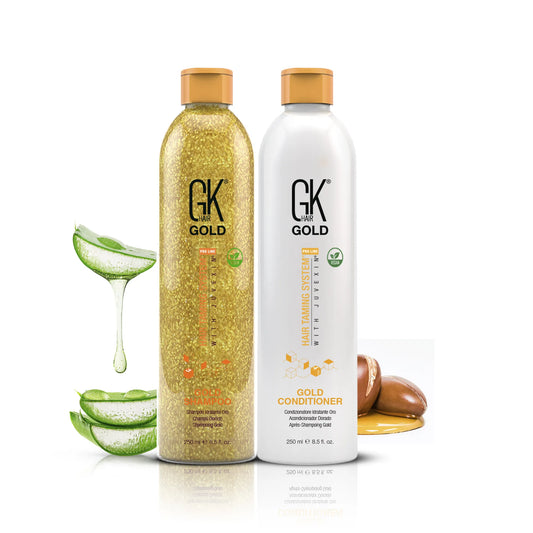
Rinse your hair well with lukewarm water and a mild, sulphate-free cleanser; our Moisturizing Shampoo and Conditioner remove excess oil without stripping essential moisture, keeping your scalp clean and your hair soft. (Best for: dry, color-treated, or chemically processed hair which needs gentle hydration without stripping the natural scalp oils).
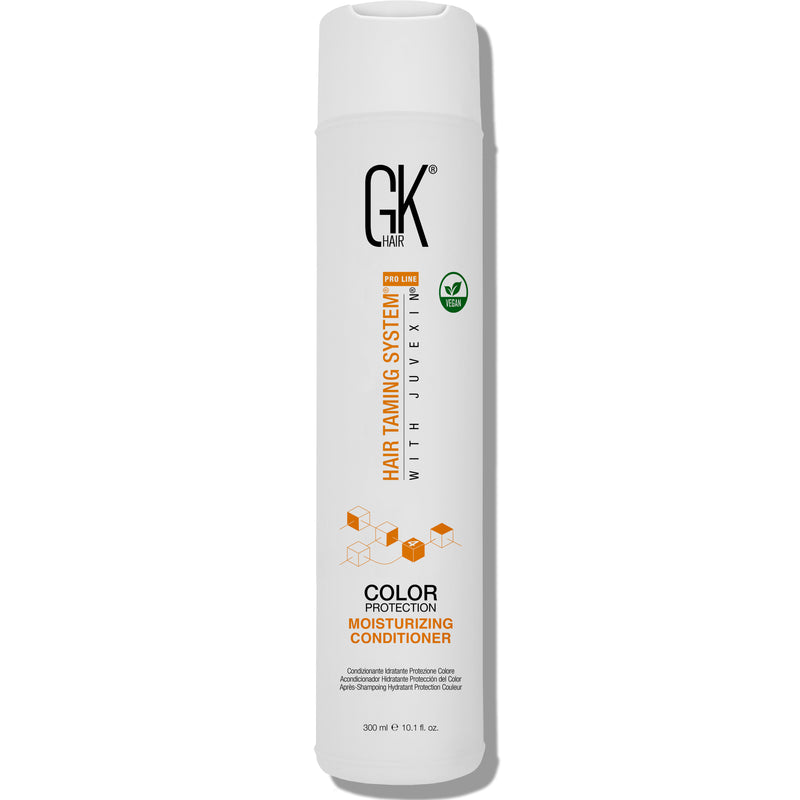
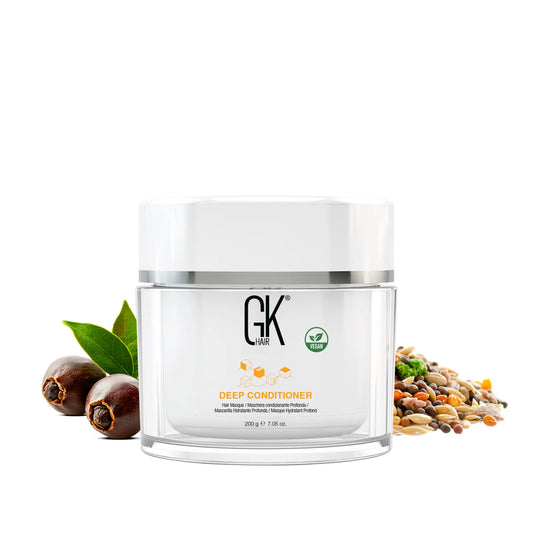
To repair serious environmental damage caused by heavy oiling, use our Deep Conditioner once a week for extra hydration. (Best for: hair that has been over-processed, is coarse, or has been damaged in the winter and needs intensive weekly nourishment).

Stylist’s Corner: Our salon tests show that applying oil to slightly damp hair locks in moisture much better than on dry strands. In humid Pakistani summers, skip leaving heavy oils on overnight, since trapped sweat can clog follicles and lead to more hair fall.
Hair oil prices in Pakistan and what to check on the label
A hair growth oil price in Pakistan starts at PKR 800 for simple cold-pressed oils and can go as high as PKR 5,500 for premium botanical serums. Always check the label to choose pure, cold-pressed extracts rather than synthetic mineral-oil mixtures with artificial fragrances.
What’s worth buying in Pakistan
- Cold-pressed base oil, Rs. 800 to 2,000 per 200ml;
- Argan Oil Serum, Rs. 5,145 per 50ml, for daily smoothing;
- Deep Conditioner, Rs. 7,993 per 200g jar (or Rs. 1,749 for three 20ml sachets), for weekly repair after heavy oiling.
Cold-pressed versus mineral-oil blends
If you want the best organic hair oil in Pakistan, then you should choose 100% cold-pressed oils since this process retains all the beneficial components, such as the vitamins, antioxidants and fatty acids, while mineral oils just remain on the surface and may cause your scalp to become clogged after a length of time.
Mistakes That Stop Hair Oil from Working
Mistakes when oiling your hair can clog follicles, cause excessive shedding, and prevent active ingredients from working properly. To keep your scalp healthy and get the best results for hair growth, avoid errors such as using raw essential oils, leaving heavy oils on overnight, applying scalding heat, or pulling oiled hair too tightly.
- Applying undiluted, concentrated extracts directly to the scalp can cause severe contact irritation.
- Leaving heavy oils on the scalp for several days causes them to attract dust found in urban areas and block the pores.
- Tying hair into tight ponytails or buns right after oiling, which pulls at softened roots and causes traction breakage.
- Using boiling hot oil that burns delicate scalp skin and damages hair cuticles.
- Rough rubbing with fingernails instead of gentle, circular fingertip massage.
We have refined our keratin formulas since 2007 and they are now trusted in more than 75 countries, which means our technical team hears the same oiling question from Karachi to Casablanca, and gives the same answer: how long you leave the oil on, and how well you wash it out, matters more than which oil you picked.
Finding the best hair oil in Pakistan comes down to understanding your scalp’s seasonal needs and maintaining a consistent hair care routine. For overall hair health, GK Hair Argan Oil is a great choice to help nourish, smooth, and strengthen your strands year-round. Explore the complete hair care line at GK Hair for more solutions to keep your hair healthy, strong, and deeply nourished.
Frequently Asked Questions About Hair Growth Oil
1. How long before a hair growth oil shows results?
With consistent use, visible hair growth usually takes 3 to 6 months; in the 2015 rosemary trial, hair counts had not changed at three months and rose by six. Take rosemary oil for hair growth before and after photos in the same light each month; density builds slowly, so month-to-month shots show what a mirror will not.
2. How often should I oil my hair in Pakistan’s climate?
For best results, oil your scalp once or twice each week. When it is humid during the monsoon months, keep the leave-in treatment for no more than 45 minutes to avoid sweat getting trapped. However, in the dry winter months, two sessions per week help restore moisture balance and protect hair from cold air.
3. Can I mix hair oils at home?
Yes, by mixing together different base oils you can address a number of hair problems at the same time; when you combine thick castor oil with light jojoba oil, you get a well-balanced texture that nourishes the roots without leaving a greasy sensation, which is why it makes such an ideal hair growth oil mixture to use at home.
4. Does Pakistan’s hard water affect how well hair oil works?
Yes. Hard water deposits calcium on your scalp, where it sticks to the remaining oil and doesn’t come off when you wash. This thick residue draws in dust and makes the hair feel heavy. On the day you wash your hair, use shampoo twice: once to remove the oil and again to refresh your scalp. End the process by rinsing with lukewarm, soothing water rather than hot water.
5. Is hair oiling safe after a keratin treatment?
Yes. Follow the washing window for your formula first: GK Hair The Best Hair Treatment can be washed the same day, while some other keratin treatments ask you to wait 48 to 72 hours before the first wash. Over the following two weeks, handle your hair gently by using only a small amount of light oil, select an oil that has a featherlight texture, avoid applying it to the roots, and always rinse it out using a sulphate-free formula.
6. Does oiling cause hair fall?
No. Oiling your hair doesn’t lead to hair loss. But if you massage your scalp too vigorously or allow a heavy oil to remain on a scalp that hasn’t been washed, you could loosen the hair roots and cause shedding. In order to keep your hair healthy, you should handle your scalp gently and make sure you thoroughly wash the oil out.
7. Which hair oil is best for men?
Dermatologists tend to point at the routine rather than a brand, which is why the best hair growth oil recommended by doctors is usually a simple, well-diluted formula that keeps the scalp clear. If you are choosing a hair growth oil for men with a receding hairline or thinning crown, diluted rosemary oil is the one with trial evidence behind it (the 2015 SKINmed study above tested it on pattern hair loss), but a dermatologist should confirm the cause first.