

The hair conditioner sitting in your shower is working harder than most people think it does. Every time you wash your hair, shampoo opens the cuticle and cleanses the hair, but in the process, it also removes the natural oils that keep it soft and manageable. GK Hair Stylists, who work with hair in 75+ countries, recommend using conditioner every time you wash to keep the hair properly moisturized. If you get this step wrong, then no hair serum or treatment will be able to completely fix it.
What Is a Hair Conditioner?
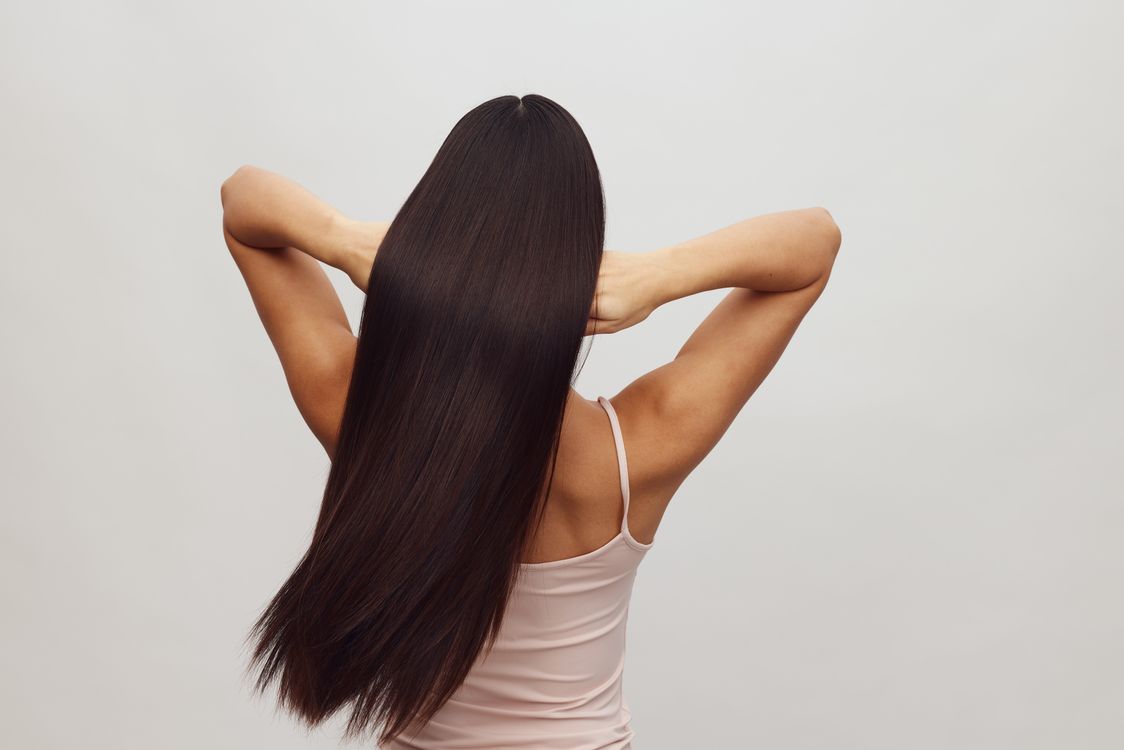
A hair conditioner is a hair care product that replenishes moisture, closes the cuticle, and strengthens the hair shaft after washing. While the basic ingredients like emollients, proteins, natural oils, and vitamins differ based on the product, the aim is still the same: replace what shampooing removes.
Many shampoos contain sulfates, powerful cleaning agents, but they cannot distinguish between dirt and hair oils. Conditioner fixes this situation since it is usually applied to mid-lengths and ends only after shampoo has been rinsed. It moisturizes the strand and closes the cuticle before the hair dries.
Is Conditioner Good for Hair?
Yes, conditioner is good for hair because it actively replenishes moisture stripped away by shampoo, smooths the cuticle layer, reduces friction between strands, and offers protection against the long-term effects of everyday damage, such as split ends and unruly frizz. Those who get the most from this hair care product are those with dry, color-treated, heat-styled, or chemically altered hair.
Even fine or oilier hair can use a hair conditioner without fear of overload. A lightweight formula applied from mid-way down the shaft offers all the benefits without weighing down the roots.



What Are the Types of Conditioners?
Not all conditioners work equally. Below is a very simple explanation of the different types:
Regular Conditioner
These are conditioners you use after washing your hair with shampoo. You usually leave them in for a couple of minutes and then rinse. Since this is the most typical one, it's often what people base their hair routine on.
Leave-In Conditioner
Leave-in conditioners can be left on without washing them out. This keeps your hair hydrated throughout the day, and they come in different forms like spray, cream, and serum, and can be used according to how much moisture your hair needs.
Deep Conditioner or Hair Masks
Deep conditioners have a very rich formula and you use them by leaving them on your hair for anything from 15 minutes all the way to an overnight treatment. It's like getting your hair that extra nourishment of that regular conditioning isn't able to provide.
What Are The Benefits Of Hair Conditioner?
Hair damage can make the cuticle appear fractured, with the lifted, split, and separated scales that reveal the hair's inner part. Conditioners help plump these spaces with proteins and emollients, so post-rinsing, hair is visibly smoother.
Hair conditioning makes hair smoother, less tangled, and less prone to breaking due to combing or everyday wear. Frizz, split ends, and dryness are usually the result of hair dehydration, but using conditioner can help prevent these problems. In trials at GK Hair partner salons, 92% of customers who made conditioner a habit showed a significant reduction in frizz.
Putting conditioner on like shampoo everywhere on the head is a big error. The scalp naturally produces oil, whereas hair lengths and ends are relatively dry. Dryness, breakage, and frizz often occur in these areas.
A hair conditioner should be applied only to the lengths and ends of the hair; leave it on for a couple of minutes before rinsing. This change of habit can dramatically impact most people.
Best Conditioner for Hair in Pakistan
Conditioning Pakistani hair is a different challenge because the hard water, which is common to the water supply systems in Karachi, Lahore, and Faisalabad, contains large quantities of calcium and magnesium minerals that accumulate on the hair shaft and form a barrier that prevents the hair from taking up moisture, no matter what product is placed on the surface.
And with year-round high humidity, exposure to the sun and heat, and the styling that is part of most hair care routines, the simple suggestion of "just use any conditioner" no longer works. The solution is a conditioner that can break down mineral deposits, retain moisture even in humid conditions, and protect the hair from continuous heat and environmental damage.
Here are three GK Hair conditioner that you should consider:
GK Hair Moisturizing Conditioner
Most suitable for hair that is dry, chemically treated, and affected by sun exposure and hard water
GK Hair Moisturizing Conditioner contains mostly Juvexin, the brand’s original keratin protein blend derived from wool. Typically, protein conditioners just cover the outer layer of the hair strand but Juvexin is introduced to the hair in its natural state. This way, it can repair hair from within rather than merely lying on it like a film.
For hair in Pakistan that is exposed to hard water, sun, or chemically treated water, the change really makes a difference. This hydrating hair conditioner reduces frizz and static by up to 60%, maintains color and vibrancy, and gives hair a smooth, tangle-free appearance.

GK Hair Deep Conditioner
Most suitable for extremely damaged or over-processed hair requiring a high level of hydration
GK Hair Deep Conditioner is the treatment product. Besides hydrating the surface, the treatment, which combines the benefits of Juvexin and jojoba oil, also restructures the hair from within. Since the chemical structure of jojoba oil is very similar to the natural sebum of hair, it is helpful for hair that has been heavily bleached, colored, or heat-styled, or exposed to hard water over a long period of time.
After using this deep conditioner regularly, the hair becomes 8 times more manageable, stronger, and softer, with noticeable changes even from the first use.
GK Hair Leave-In Conditioner Cream
Most suitable for hair that is frizzy, prone to humidity, and requires moisture retention throughout the day in Pakistan's weather
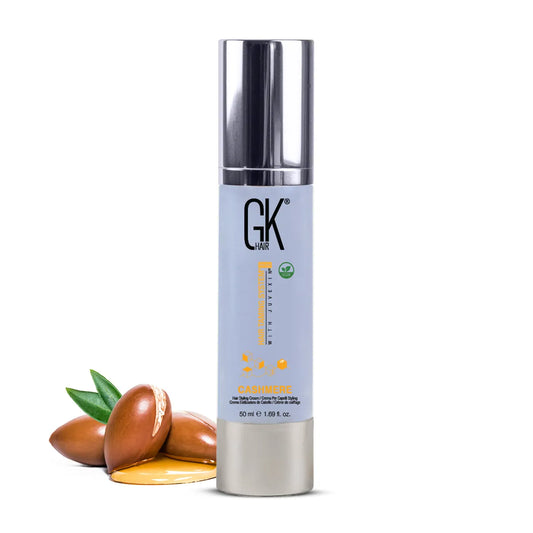
Once the hair is dried, a rinse-out conditioner will no longer be active while leave-in hair conditioner will keep working. Made with Juvexin plant seed oils, GK Hair Leave-In Conditioner Cream smooths frizz, keeps hair soft and allows styling without making hair heavy.

Which Conditioner Should You Pick For Your Hair Type?
| Hair Type / Concern | Recommended GK Hair Conditioner Product | Best For |
| Dry, color-treated hair | Moisturizing Conditioner | Preserving color vibrancy while restoring lost moisture |
| Oily, greasy hair | Balancing Conditioner | Managing scalp oil without weighing hair down |
| Rough, brittle, sun-exposed hair | Shield Conditioner | Protecting against UV damage and environmental stress |
| Combination hair | Gold Conditioner | Balancing moisture across different sections of the hair |
| Frizz-prone, mildly damaged hair | Leave-In Conditioner Spray | Lightweight daily frizz control with added shine |
| Super-dry, severely frizzy hair | Leave-In Conditioner Cream | Deep, long-lasting moisture for very dry or damaged hair |
| Hair needing intensive nourishment | Deep Conditioner | Restoring strength and moisture in over-processed hair |
| Color-treated, dry hair | Lock Me Color Masque | Locking in color and sealing moisture between washes |
Final Thoughts
A good hair conditioner is not just a final luxury step; it is essential for an effective hair care routine. Without it, shampoo alone can strip the hair, leaving it to recover on its own. Using the right formula, in the correct proportions and with regular application, can gradually transform the texture, strength, and manageability of your hair. GK Hair's range of conditioners is formulated with Juvexin technology to address real hair concerns, so explore the complete collection of GK Hair Treatment now!


